



How to Make Vegetables Taste Better
How to Make Vegetables Taste Better
How to Make Vegetables Taste Better
Teaser: If vegetables feel like the “should eat” part of dinner instead of the delicious part, you are not alone. The good news is that a few simple cooking tricks can turn plain vegetables into crave-worthy sides, bowls, soups, and family-friendly meals.
Summary: To make vegetables taste better, focus on seasoning, cooking method, texture, and balance. Roasting, sautéing, grilling, adding acid, using herbs and spices, pairing vegetables with sauces, and avoiding overcooking can make a big difference. These practical tips are especially helpful for families, picky eaters, and anyone trying to enjoy more healthy meals without feeling like they are forcing it.
Why Vegetables Sometimes Taste Boring
Vegetables often get a bad reputation because they are under-seasoned, overcooked, or served without enough texture or flavor contrast. A pile of steamed broccoli with no salt, butter, lemon, or sauce is not going to win over many vegetable skeptics.
The goal is not to hide vegetables completely. The goal is to cook them in a way that brings out their natural sweetness, adds savory flavor, and makes each bite more satisfying.
Start With the Right Cooking Method
The way you cook vegetables changes everything. Some methods bring out sweetness, while others keep vegetables crisp and fresh.
1. Roast Them for Better Flavor
Roasting is one of the easiest ways to make vegetables taste better. High heat helps caramelize the natural sugars in vegetables, giving them browned edges and a deeper flavor.
Great vegetables for roasting:
- Carrots
- Broccoli
- Cauliflower
- Sweet potatoes
- Brussels sprouts
- Zucchini
- Bell peppers
- Onions
Simple roasting formula: Toss chopped vegetables with olive oil, salt, pepper, and any favorite seasoning. Roast at 400°F to 425°F until tender and browned around the edges.
For family meals, try roasted carrots with honey and thyme, roasted broccoli with garlic and Parmesan, or roasted cauliflower with taco seasoning.
2. Sauté for Quick Weeknight Vegetables
Sautéing is fast and flavorful. A hot pan, a little oil or butter, and the right seasonings can turn simple vegetables into a delicious side dish in minutes.
For the best results, do not overcrowd the pan. If the vegetables are packed too tightly, they steam instead of brown. Cook in batches if needed.
Easy sauté combinations:
- Green beans with garlic and lemon
- Zucchini with Italian seasoning and Parmesan
- Mushrooms with butter, thyme, and black pepper
- Spinach with olive oil, garlic, and a splash of vinegar
- Bell peppers and onions with fajita seasoning
3. Grill Vegetables for Smoky Flavor
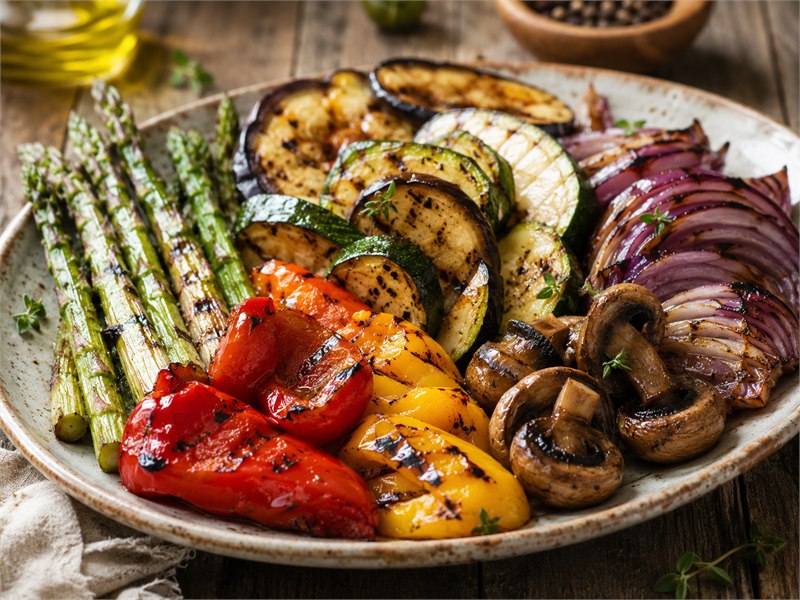
Grilling gives vegetables smoky flavor and charred edges, which can make them more appealing to vegetable skeptics. Try grilling corn, zucchini, asparagus, peppers, onions, mushrooms, or eggplant.
Brush vegetables with oil, season well, and grill until tender with visible grill marks. Finish with lemon juice, fresh herbs, or a simple sauce.
Season More Than You Think
One of the most common reasons vegetables taste bland is not enough seasoning. Salt helps bring out natural flavor, while herbs, spices, garlic, and citrus add personality.
Use Salt at the Right Time
Salt does not just make food salty. It makes food taste more like itself. Add a moderate amount before cooking, then taste and adjust before serving.
If you are cooking for kids or anyone sensitive to salt, start lightly and offer finishing options at the table, such as Parmesan, lemon, seasoned yogurt sauce, or a sprinkle of flaky salt for adults.
Add Garlic, Onion, or Shallots
Garlic and onion are easy flavor boosters. They work with almost any vegetable and make the kitchen smell inviting.
Try adding minced garlic during the last minute of sautéing so it does not burn. For roasted vegetables, garlic powder is often easier than fresh garlic because it spreads evenly and is less likely to scorch.
Try Different Spice Blends
Vegetables do not have to taste the same every night. A simple spice blend can completely change the meal.
- Taco seasoning: Good with cauliflower, sweet potatoes, peppers, onions, and corn.
- Italian seasoning: Great with zucchini, tomatoes, mushrooms, and green beans.
- Curry powder: Delicious with carrots, cauliflower, potatoes, peas, and squash.
- Smoked paprika: Adds savory depth to broccoli, potatoes, Brussels sprouts, and carrots.
- Everything bagel seasoning: Fun on roasted broccoli, cucumbers, avocado, or green beans.
Balance Vegetables With Acid, Fat, and Sweetness
Great-tasting vegetables usually have balance. If a vegetable tastes flat, it may need acid. If it tastes sharp or bitter, it may need fat or sweetness. If it tastes plain, it may need salt or spice.
Add Acid for Brightness
A splash of acid at the end of cooking can wake up the whole dish. This is especially helpful for rich, roasted, or sautéed vegetables.
Try finishing vegetables with:
- Lemon juice
- Lime juice
- Balsamic vinegar
- Red wine vinegar
- Rice vinegar
- Pickled onions or pickled jalapeños
For example, roasted Brussels sprouts taste much better with balsamic vinegar or lemon juice. Sautéed spinach becomes brighter with a squeeze of lemon. Roasted sweet potatoes are delicious with lime and chili powder.
Use Healthy Fats for Flavor and Texture
A little fat helps carry flavor and makes vegetables more satisfying. Olive oil, avocado oil, butter, tahini, nuts, seeds, cheese, and yogurt-based sauces can all help vegetables taste better.
Simple ideas:
- Drizzle roasted vegetables with tahini sauce.
- Add a little butter to peas, corn, or green beans.
- Top roasted broccoli with Parmesan cheese.
- Add toasted almonds to green beans.
- Serve raw vegetables with hummus, ranch, or Greek yogurt dip.
Add a Touch of Sweetness
Some vegetables have a naturally bitter edge, especially Brussels sprouts, kale, cabbage, and certain greens. A small amount of sweetness can balance that bitterness.
Try a drizzle of honey, maple syrup, or balsamic glaze. You do not need much. Even a teaspoon can make a big difference in a family-sized side dish.
Do Not Overcook Them
Overcooked vegetables can become mushy, dull in color, and stronger in smell. This is one reason many people think they dislike vegetables.
For better texture, cook vegetables until they are tender but still have some life to them. Green vegetables should usually stay bright green, not gray-green.
Quick texture guide:
- Broccoli: Tender with a little bite, not limp.
- Green beans: Crisp-tender, not squeaky or mushy.
- Carrots: Soft enough to bite easily, but not falling apart.
- Zucchini: Lightly browned and tender, not watery.
- Spinach: Just wilted, not cooked down into a soggy pile.
Make Vegetables Crunchy
Texture can win over picky eaters. If someone does not like soft vegetables, try adding crunch.
Crunchy toppings that work well:
- Toasted breadcrumbs
- Crushed crackers
- Chopped nuts
- Sunflower seeds
- Crispy onions
- Roasted chickpeas
- Crumbled bacon
For example, roasted cauliflower with seasoned breadcrumbs feels more like comfort food. Green beans with toasted almonds seem special with very little extra work.
Pair Vegetables With Sauces and Dips
Sauces are one of the best tools for making vegetables more exciting. This is especially helpful for kids and vegetable skeptics because dipping makes vegetables feel more fun and customizable.
Easy Sauces for Cooked Vegetables
- Garlic yogurt sauce: Greek yogurt, garlic, lemon juice, salt, and pepper.
- Tahini lemon sauce: Tahini, lemon juice, water, garlic, and salt.
- Honey mustard: Mustard, honey, olive oil, and a splash of vinegar.
- Peanut sauce: Peanut butter, soy sauce, lime juice, and a little warm water.
- Pesto: Toss with roasted vegetables, pasta, or grain bowls.
Easy Dips for Raw Vegetables
- Hummus
- Ranch dip
- Guacamole
- Greek yogurt herb dip
- Salsa
- Cottage cheese dip
Serve dips with carrots, cucumbers, bell peppers, snap peas, cherry tomatoes, celery, or lightly steamed broccoli.
Use Vegetables in Meals People Already Like
If your family is not excited about a plain side of vegetables, add vegetables to meals they already enjoy. This helps build familiarity without making vegetables feel like a separate chore.
Family-friendly ideas:
- Add finely chopped spinach or mushrooms to meatballs or meatloaf.
- Mix roasted vegetables into mac and cheese.
- Add bell peppers and onions to quesadillas.
- Stir peas, carrots, or broccoli into fried rice.
- Top pizza with roasted peppers, mushrooms, onions, or spinach.
- Add shredded zucchini or carrots to muffins or quick bread.
- Blend cooked carrots, squash, or cauliflower into soups and sauces.
This approach is not about tricking anyone. It is about making vegetables part of familiar, enjoyable meals.
Try Different Cuts and Shapes
Sometimes people dislike a vegetable in one form but enjoy it another way. The cut affects texture, cooking time, and how the vegetable feels to eat.
- Thin slices: Good for quick cooking and crisp edges.
- Small dice: Easy to mix into rice, pasta, eggs, and casseroles.
- Matchsticks: Great for carrots, cucumbers, and stir-fries.
- Ribbons: Try zucchini or carrots shaved with a peeler.
- Mash: Works well for cauliflower, sweet potatoes, carrots, or squash.
If your family does not like large chunks of onion or pepper, try dicing them smaller and cooking them until sweet and soft. If they dislike mushy zucchini, cut it thicker and roast or grill it instead of steaming it.
Give Frozen and Canned Vegetables a Flavor Boost
Fresh vegetables are great, but frozen and canned vegetables are convenient, budget-friendly, and useful for quick healthy meals. They just need a little help.
How to Make Frozen Vegetables Taste Better
- Roast frozen vegetables instead of microwaving them.
- Use a hot sheet pan so moisture evaporates quickly.
- Season with garlic powder, onion powder, salt, pepper, and olive oil.
- Finish with lemon juice, Parmesan, herbs, or sauce.
Frozen broccoli, cauliflower, green beans, corn, peas, and mixed vegetables can all be upgraded with the right seasoning and cooking method.
How to Make Canned Vegetables Taste Better
- Drain and rinse when appropriate to reduce excess salt or canned flavor.
- Warm with butter, olive oil, herbs, or spices.
- Add acid, such as lemon juice or vinegar, right before serving.
- Mix into soups, casseroles, tacos, pasta, or rice dishes.
Canned corn is great with chili powder and lime. Canned green beans taste better with garlic, pepper, and a little butter. Canned tomatoes can become a flavorful sauce with onion, garlic, and Italian herbs.
Plan Vegetable Sides Around the Main Dish
Vegetables taste better when they match the rest of the meal. Instead of thinking, “What vegetable should I add?” try asking, “What vegetable would taste good with this flavor?”
Easy pairings:
- Taco night: Roasted sweet potatoes, corn salad, peppers and onions, or shredded cabbage slaw.
- Pasta night: Roasted broccoli, sautéed spinach, zucchini, mushrooms, or a simple salad.
- Chicken dinner: Green beans, carrots, Brussels sprouts, cauliflower, or asparagus.
- Burgers or sandwiches: Oven fries, cucumber salad, coleslaw, or roasted vegetables.
- Rice bowls: Cucumber, carrots, broccoli, cabbage, edamame, or roasted squash.
Matching the seasoning to the meal makes vegetables feel like they belong on the plate.
Make Vegetables Easier to Grab
Sometimes the issue is not taste. It is convenience. If vegetables are washed, cut, and ready to use, they are much more likely to make it into meals and snacks.
Helpful prep ideas:
- Wash and chop sturdy vegetables at the beginning of the week.
- Keep a container of sliced cucumbers, carrots, and peppers in the fridge.
- Roast a big sheet pan of vegetables for bowls, wraps, eggs, and lunches.
- Keep frozen vegetables on hand for fast dinners.
- Store herbs, lemons, and sauces nearby for quick flavor upgrades.
A little planning can make vegetables feel less like extra work and more like an easy part of everyday meals.
Best Vegetable Flavor Combinations to Try
If you are not sure where to start, use these simple combinations as a guide.
- Broccoli: Garlic, lemon, Parmesan, red pepper flakes, sesame oil, soy sauce.
- Carrots: Honey, maple syrup, thyme, cumin, ginger, butter.
- Cauliflower: Curry powder, smoked paprika, garlic, tahini, buffalo sauce.
- Green beans: Almonds, garlic, lemon, butter, soy sauce.
- Brussels sprouts: Balsamic vinegar, bacon, maple syrup, Parmesan, mustard.
- Zucchini: Basil, Parmesan, garlic, tomatoes, Italian seasoning.
- Sweet potatoes: Chili powder, lime, cinnamon, cumin, black beans.
- Cabbage: Vinegar, sesame oil, apples, mustard, garlic, ginger.
- Spinach: Garlic, lemon, feta, nutmeg, cream, eggs.
Tips for Kids and Vegetable Skeptics
If you are cooking for kids or adults who are not vegetable fans, go slow and keep it positive. It can take repeated exposure before someone enjoys a new vegetable.
- Offer small portions instead of a big serving.
- Serve vegetables with a familiar dip or sauce.
- Let family members choose between two vegetable options.
- Try the same vegetable cooked different ways.
- Use fun names, shapes, or build-your-own meals for kids.
- Avoid turning vegetables into a battle at the table.
For example, someone who dislikes steamed broccoli may enjoy roasted broccoli with crispy edges and Parmesan. A child who avoids raw carrots may like them roasted with a little honey. A vegetable skeptic may be more willing to try spinach when it is folded into eggs, pasta, or soup.
A Simple Formula for Better Vegetables
When in doubt, use this easy formula:
- Choose a cooking method: Roast, sauté, grill, steam, or serve raw.
- Add fat: Olive oil, butter, avocado oil, tahini, cheese, or nuts.
- Season well: Salt, pepper, garlic, herbs, or spices.
- Add acid: Lemon juice, lime juice, vinegar, or pickled toppings.
- Finish with texture: Breadcrumbs, seeds, nuts, crispy onions, or cheese.
This simple approach works for almost any vegetable and helps you adjust flavors based on what your family likes.
Final Thoughts
Learning how to make vegetables taste better is mostly about using the same flavor-building habits you already use for other foods. Cook them in a way that creates good texture, season them confidently, add brightness with lemon or vinegar, and pair them with sauces, herbs, spices, and toppings.
Vegetables do not have to be plain, bland, or boring. With a few practical cooking tips, they can become the part of the meal everyone actually wants to eat.